What is diversity 3 examples
What is diversity 3 examples
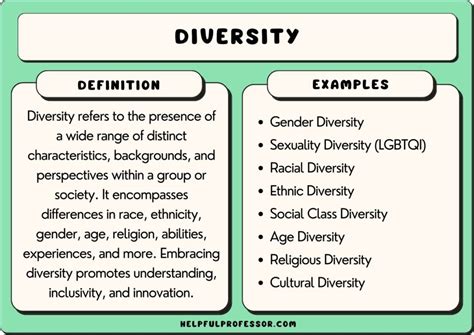
Diversity is basically the mix of differences you find in any group—the stuff that makes people unique. In workplaces and communities today, it's not just some corporate buzzword people throw around. It actually drives innovation, builds empathy, and fuels growth. Real diversity goes way past just tolerating folks who are different. It's about actively seeing, respecting, and valuing those differences—whether that's race, gender, where someone grew up, their age, what they believe, or how they see the world.
To wrap your head around diversity, concrete examples help a ton. Here are three big categories that organizations and communities lean on to build genuinely inclusive spaces.
What are the three main types of diversity?
You can slice diversity up a hundred different ways, but three foundational types keep popping up: Internal, External, and Organizational diversity. Getting these categories straight makes it way easier to build inclusion strategies that actually work.
| Type of Diversity |
Definition |
Key Characteristics |
| Internal Diversity |
Traits that a person is born with and cannot change. |
Race, ethnicity, age, biological sex, physical abilities, sexual orientation. |
| External Diversity |
Traits related to a person's life experiences and choices. |
Education, religion, socio-economic status, marital status, appearance, personal habits. |
| Organizational Diversity |
Differences related to job function and organizational position. |
Job role, department, seniority, work location, management status, union affiliation. |
Diversity Example 1: Internal Diversity (Race and Ethnicity)
When people say "diversity," this is usually what they mean first—internal diversity, especially around race and ethnicity. It's about bringing people from different racial backgrounds—Asian, Black, White, Hispanic, Indigenous—into a team or community. Picture a corporate board that actively seeks out members from all kinds of racial and ethnic backgrounds. They're doing it to make sure different cultural perspectives actually show up in big decisions. And honestly, this matters because it throws varied life experiences into the mix, busts up groupthink, and sparks way more creative solutions.
Diversity Example 2: External Diversity (Socio-Economic Background)
External diversity, like socio-economic background, is powerful but often gets overlooked. This is about the financial and social reality someone grew up with or lives in now. Take a company that uses "blind recruitment"—they strip university names and zip codes off resumes to avoid bias against candidates from poorer backgrounds. What they're doing is valuing the grit and unique problem-solving of someone who scraped through community college over someone from a fancy private school. That kind of move diversifies how people think inside the organization.
Diversity Example 3: Organizational Diversity (Cognitive)
>The third big one organizational diversity, especially cognitive diversity—how people think and tackle problems differently. This often links to job functions and educational backgrounds. Imagine a product development team that doesn't just have software engineers but also a historian, a graphic designer, a psychologist, and a sales rep. That's leveraging organizational diversity hard. Each person brings their own mental framework—the historian spots patterns over time, the psychologist obsesses over user behavior, the sales rep hones in on customer pain points. That mix? It builds stronger, more innovative products.
Why is diversity important in the workplace?
Diversity isn't just about doing the right thing—it's smart business. Study after study shows diverse teams are more innovative and make better decisions. Cloverpop found they're 87% more likely to do so. When people from different backgrounds and perspectives hash things out, they challenge each other's assumptions and crank out more creative stuff. Plus, a diverse workplace gets its customer base better—customers who are also diverse—which means more market share and profit.
"Diversity is being invited to the party; inclusion is being asked to dance." — Vernā Myers
Checklist: How to Foster Diversity in Your Organization
You can't just wing diversity. It takes a deliberate plan. Here's a checklist to get started:
- Do a diversity audit to know what your workforce actually looks like.
- Scrub job descriptions for biased language that might scare off certain applicants.
- Use structured interviews—same questions for every candidate.
- Set up Employee Resource Groups (ERGs) for underrepresented folks.
- Run diversity and inclusion training that digs into unconscious bias.
- Build mentorship programs linking senior leaders with junior employees from diverse backgrounds.
- Set measurable diversity goals and make leadership accountable for progress.
Frequently Asked Questions (FAQ)
What is the difference between diversity and inclusion?
Diversity is about the "mix" of different people in a group. Inclusion is about making sure that mix actually works together. Diversity is counting heads; inclusion is making sure every head feels valued, respected, and able to contribute fully. You can have diversity without inclusion—but you can't have real inclusion without diversity.
How do you measure diversity in a company?
Usually through numbers—the demographic breakdown of employees by race, gender, age, and so on. More sophisticated stuff looks at representation across different levels, from entry-level to executive. Pulse surveys that measure belonging and psychological safety are also key to understanding if diversity efforts are actually working.
Can a team be too diverse?
Diversity brings huge benefits, sure, but it can also cause communication headaches and conflict if it's not managed well. That's "diversity without inclusion." A team can struggle if there's no shared language or purpose—or inclusive leadership to bridge gaps. The goal isn't to limit diversity. It's to pair it with strong inclusion practices to unlock its full potential.
What are the benefits of diversity in education?
In education, diversity preps students for a globalized world. It cuts down prejudice by exposing them to different cultures and perspectives. It sharpens critical thinking—forces them to see issues from multiple angles. And it improves academic outcomes for everyone. A diverse classroom mirrors the diverse society they'll step into as adults.
Resumen Breve
- Definición Central: Diversidad es la presencia de diferencias únicas en un grupo, incluyendo características internas, externas y organizacionales.
- Ejemplos Clave: Incluye diversidad racial/étnica (interna), antecedentes socioeconómicos (externa) y diversidad cognitiva (organizacional).
- Importancia Estratégica: Los equipos diversos toman mejores decisiones (hasta un 87% mejores) y son más innovadores, lo que genera ventajas competitivas.
- Acción Requerida: La diversidad debe ir acompañada de inclusión para ser efectiva; requiere estrategias activas como auditorías, capacitación y mentoría.
Similar articles
Recent articles
