What does retinal swelling feel like
What does retinal swelling feel like
Retinal swelling—doctors call it macular edema—isn't really about pain. Sharp pain, anyway. Most folks describe it as this weird distortion that sneaks up or hits all at once. Nothing like normal tired eyes or dryness. You know that warped glass effect? Like looking through a water droplet? Straight lines just bend. Colors get all washed out and wrong. It happens when fluid builds up in the macula, that tiny central part of your retina that handles sharp, straight-ahead vision.
What are the most common physical sensations of retinal swelling?
People dealing with this tend to notice some pretty specific things going on with their sight:
- Central blurriness: A cloudy or hazy spot right smack in the middle of your vision. Makes reading, recognizing faces, or driving a real pain.
- Wavy or distorted lines: Door frames, text lines—they look curved, wavy, bent. Doctors call this metamorphopsia. It's kind of the hallmark symptom.
- Color desaturation: Reds and greens especially—they look faded, dull, like someone turned down the saturation on the world.
- Increased light sensitivity: Bright lights feel harsh, glaring. Sometimes you get this flickering or shimmering off to the side.
- A sense of pressure: Not sharp pain, but maybe a dull ache or that feeling of fullness behind the eye. Just weird.
How does retinal swelling feel compared to a migraine or eye strain?
You really gotta know the difference here. A migraine aura? That's flashing lights, zigzag patterns, temporary vision loss that moves around. Usually gone within an hour. Eye strain from staring at screens? Dry eyes, a pulling sensation, maybe a headache. But not that persistent line distortion. Retinal swelling is constant. It doesn't get better when you blink, rest, or close your eyes. The big clue is structural distortion—the world actually looks misshapen. Not just blurry or tired.
Can retinal swelling cause pain?
Mostly, no. The retina itself doesn't have pain receptors. But whatever's causing the swelling? That can hurt. Like:
- Uveitis: Inflammation inside the eye—deep, aching pain, redness.
- Diabetic retinopathy: When it gets advanced, abnormal blood vessels leak fluid. Sometimes you feel pressure.
- Central serous retinopathy: This one gives you a vague discomfort. Just feels... off.
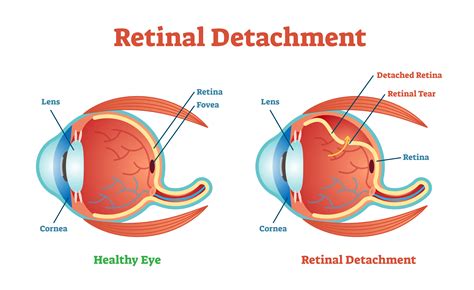
>Important: Sudden vision loss, flashes of light, a curtain-like shadow? That's emergency room time. Could be retinal detachment.
What does retinal swelling feel like during the day?
It changes. Honestly, a lot of people say their vision's clearer in the morning, right after lying flat. Then it gets worse as the day goes on—gravity, fluid shifts, all that. Doing stuff that needs intense focus, like reading or computer work? Makes the distortion way more obvious. People describe it as "looking through a dirty fishbowl" or "a smudge on a camera lens that just won't wipe off."
Key symptoms checklist for retinal swelling
Here's a quick way to check your symptoms. See any of this? Go see an eye doctor soon:
- Straight lines (door frames, text) look wavy or curved.
- A central blind spot or gray area in your vision.
- Colors look faded or washed out.
- Hard time reading small print or recognizing faces.
- Symptoms don't get better with blinking or rest.
- No headache or eye pain (usually).
Common causes and their specific sensations
| Cause |
Typical Sensation |
| Diabetic Macular Edema |
Gradual central blur, wavy lines, vision that fluctuates during the day. |
| Central Serous Retinopathy |
Sudden central distortion, a dark spot, colors look dimmer. Usually just one eye. |
| Post-surgery Inflammation |
Blurriness and distortion after cataract or retinal surgery. Usually temporary. |
| Retinal Vein Occlusion |
Sudden, painless vision loss or blurring in one part of your visual field. |
Expert insight on what retinal swelling feels like
"Patients really struggle to put this into words. They say stuff like 'my vision is crooked' or 'I feel like I'm looking through a puddle of water.' The thing is, it's a structural, not just blur. If the world looks warped, that's a strong sign of macular edema. You need a retina specialist to check it out right away."
— Dr. Elena Vargas, Retina Specialist, Johns Hopkins Wilmer Eye Institute
Frequently Asked Questions (FAQ)
Can retinal swelling go away on its own?
Sometimes, yeah. Mild central serous retinopathy can resolve without treatment over weeks or months. But lots of causes—diabetic edema, vein occlusion—need medical help to stop permanent vision loss. Don't wait around if you think there's swelling.
Does retinal swelling feel like floaters?
Nope. Floaters are those tiny specks or cobwebs drifting across your vision. Retinal swelling is a fixed distortion or blur—not moving spots. Though some conditions can cause both floaters and swelling.
Is retinal swelling an emergency?
Not always an emergency, but you need to get it checked within 24-48 hours. Sudden wavy lines, a central blind spot, or vision loss? Treat that like an eye emergency.
Can stress cause retinal swelling?
Yeah, chronic stress is a known risk factor for central serous retinopathy. That's where fluid builds up under the retina. High cortisol levels are linked to it.
When to see a doctor
Got any of these? Make an appointment with an ophthalmologist or retina specialist. Like, soon:
- New or sudden distortion of straight lines.
- A persistent blurry spot right in the center of your vision.
- Colors look faded or different in one eye.
- You've got diabetes, high blood pressure, or a history of eye surgery.
Short Summary
- No pain, but distortion: Retinal swelling feels like wavy, bent lines and central blur, not sharp pain.
- Key sign: metamorphopsia: Straight lines appear curved, a hallmark symptom of macular edema.
- Fluctuates during the day: Vision often worsens as the day progresses due to fluid shifts.
- Requires prompt medical evaluation: Do not wait; early treatment can prevent permanent vision damage.
Similar articles
Recent articles
